Dressing for the Occasion: White Tie, Black Tie, and Cocktail Explained
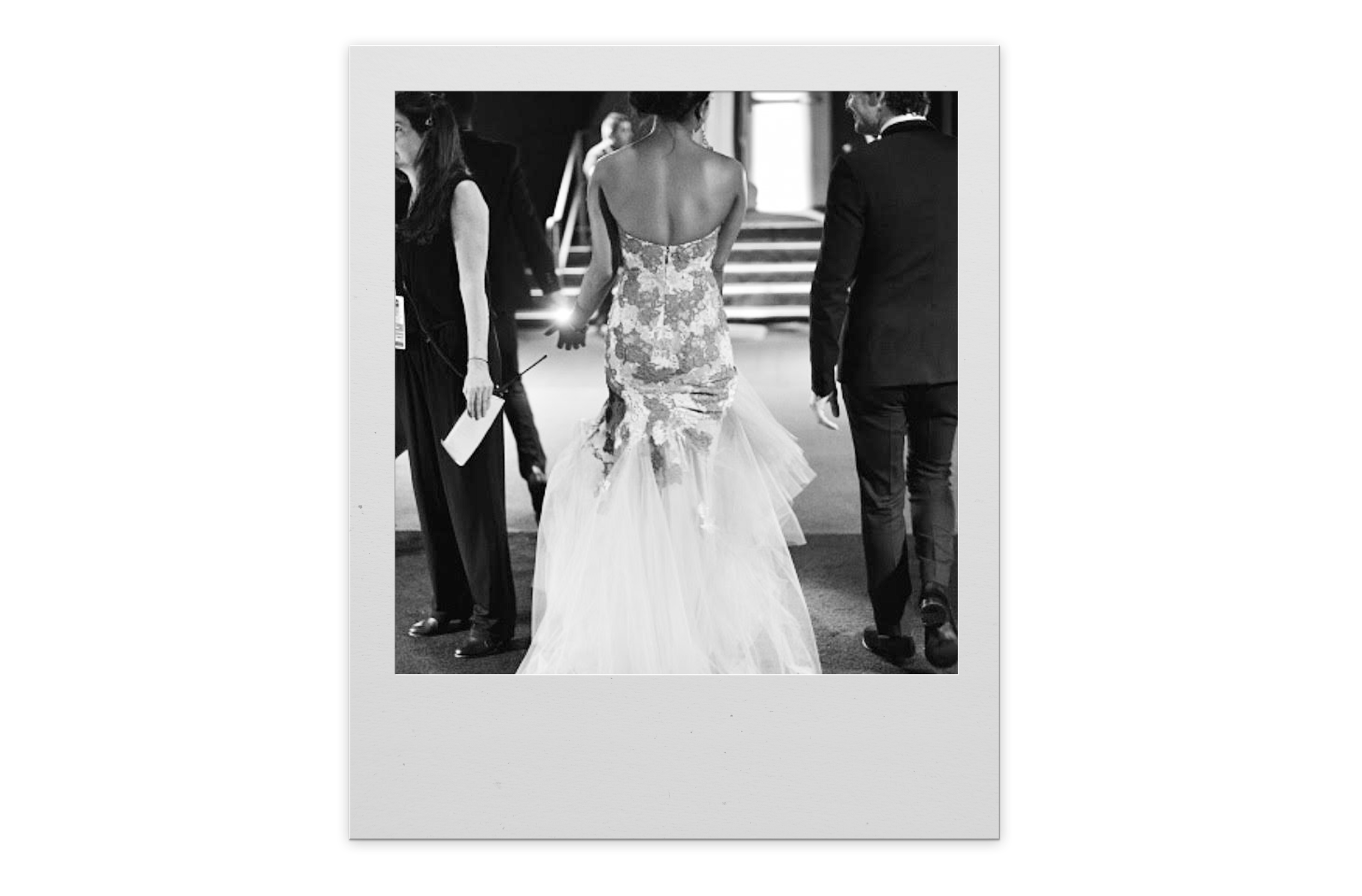
Your summer events are lining up, you're receiving all of the invitations and getting excited, and then there it is, a single word that can shift the mood entirely: formal. What does it mean, exactly?
A formal event is an occasion where the dress code calls for elevated, intentional attire — and guests are expected to dress with polish and respect for the setting. Usually, these types of events include weddings, ceremonies, awards, fundraisers, the opera, state dinners, and similar gatherings.
At a traditionally formal event, fabrics are richer; silhouettes are more structured; jewelry, hair, and makeup are all considered and polished.
So “formal” is an umbrella term. Under this umbrella, we have varying degrees of formality.
White Tie
White tie is the ultimate in formal dressing. For women, it requires a floor-length gown, elevated jewelry, and refined hair. Opera gloves are appropriate and often encouraged. For men, white tie literally means just that: a white bow tie, white waistcoat, and black tailcoat. This is the most traditional sense of white tie. The distinction is in the level of elevation. With white tie, the fabric, structure, and jewelry should feel as formal and luxurious as possible. It is ceremonial dressing.
Suggestions for women’s white-tie dressing:
Pick a gown that has structure and refined fabrics.
Wear statement jewelry, pick a focal point like a necklace or earrings.
For hair and makeup, intricate or polished hairstyles are more traditional, with intentional makeup like a statement lip or eye.
Styles I’m drawn to:
Anne Hathaway in Valentino and Bvlgari jewelry
Zoë Saldaña in Saint Laurent and Cartier jewelry
Black Tie
For women, black tie is similar to white tie in that a floor-length gown is required, minus the gloves and with a bit more room for variation. The structure can also be more relaxed. There is more room for fashion interpretation and fluidity.
The difference between white tie and black tie is nuance: white tie demands the highest level of structure and statement jewelry; black tie allows variation in silhouette and styling, while still remaining elevated — though it can be more modern in execution.
For men, black tie traditionally means a tuxedo. In some modern settings, it may extend to an elevated suit, but the tuxedo remains the standard.
Suggestions for women’s black-tie dressing:
Pick a floor-length gown that feels refined, the silhouette can be less structured.
For jewelry, there can be some variation. A statement is optional. Avoid too much layering or everyday-type jewelry.
For hair and makeup, elevated or intricate styles are traditional, but loose, polished styles are an option as well.
Styles I’m drawn to:
Zoë Saldaña in Saint Laurent and Cartier jewelry
Jessie Buckley in Chanel
Cocktail Attire
Cocktail falls under the formal umbrella, but it is the most relaxed of the categories. For women, this typically means a shorter dress — knee-length or midi. It allows for more ease. Hemlines are higher, fabrics can be lighter, and structure can soften slightly. That said, polish still matters. This is where a jumpsuit can also really shine. Cocktail is relaxed, not casual. For men, cocktail usually means a suit. It can be less rigid than black tie and allows for more versatility in color and styling.
Cocktail also has variations. A beach wedding or coastal event may fall under cocktail attire, which introduces flexibility in fabric and tone — but the expectation of intention remains.
For women’s cocktail dressing:
Pick a shorter length, a midi or a jumpsuit; lighter fabrics are optional.
For jewelry, polished pieces will keep it elevated, but there’s more room to wear everyday pieces.
For hair and makeup, the guidelines are less strict but should lean away from casual.
Styles I’m drawn to: